
Category: Tyrolean History

Canederli – A Tyrolean Food!

Canederli di Speck, photo from "Italian Food, Wine, and Travel"

Canederli di Speck, photo from
“Italian Food, Wine, and Travel”

I just came across a delectable post on the blog: Italian Food, Wine, and Travel. Written by Chefbikeski, the Culinary Director and Owner of Italiaoutdoors Food and Wine, the yummy post is entitled: Canederli di Speck – Traditional Dumpling from Sudtirol.

If you travel through the provinces of Trentino-Alto Adige in northern Italy, you’ll find various versions of these heavenly bread balls on most menus. Stop at a mountain hut while hiking (also known as a Malga or an Alm) and canederli will be the main attraction, handmade with love in the back kitchen!

Canederli can be sweet or savory, made steamed or poached, with meat or no meat, eaten alone or in a bowl of broth. They are sumptuous dumplings created by combining leftover stale white bread with milk, butter, flour, eggs, seasonings and whatever else you want to throw into the mixture. Upon one of my visits to a traditional malga, I had a tri-color combo of canederli – white (made with cheese), red (made with beets) and green (made with spinach). The dish was delicious and VERY filling!

For a taste of our ancestors, stop by the Italian Food, Wine, and Travel blog and clip their recipe for Canederli di Speck. For those of you who have never tried “speck”, it is a smoked prociutto-style ham that is made in Trentino-Alto Adige. My mouth is watering just thinking about the salty, smokey slices of speck that always accompanied every breakfast when we visited the city of Bolzano in Alto Adige. Click here to read the full blog post by Chefbikeski.

Want to try your hand at other Tyrolean dishes? I found two cookbooks on Amazon that you might like:

Traditional Cooking – Tyrol (Amazon link)

Cook Book from Tyrol (Amazon link)

Our thanks to Italian Food, Wine, and Travel. Stop by and read more of their wonderful travel posts, illustrated with beautiful photographs of Italy.

New Book Review

OurFirstYearI just added a lovely book to our family’s online Bookstore. “Our First Year: Sketches from an Alpine Village” was written by a fellow Tyrolean American named Allen Rizzi. He has returned to live in the home of his ancestors, the tiny village of Tret located in the upper Val di Non. This eBook is a treat for those who yearn for their Tyrolean roots.

Visit our Bookstore and read my review! Available as an eBook for $2.99 or Audible book for $6.95, “Our First Year” is a bargain and a heartwarming read.

Click here to shop at the Bookstore.

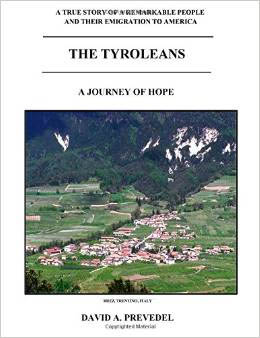
New Book – The Tyroleans: A Journey of Hope

TheTyroleansJust added to our family Book Store – a lively account of a Tyrolean emigrant family. Read my review:

The Tyroleans: A Journey of Hope, A true story of a remarkable people and their emigration to America, (this is an Amazon affiliate link, click on title for information or to purchase), by David A. Prevedel, published in 2010. Available as a paperback through Amazon, price: $17.95. The minute you open this book, you know it’s a labor of love and a tribute to the author’s Tyrolean roots. David’s grandparents, (Giuseppe and Ester Rauzi, Floriano and Angelina Prevedel), all emigrated from the Val di Non in Austria (Italy). They, along with many other families from the villages of Brez, Castelfondo, Traversara, Fondo, Cloz and Tret, settled in Wyoming. At first they worked the coal mines in Superior and Rock Springs. After saving enough money, many families moved to Utah, becoming farmers and opening businesses. The author draws inspiration from in-person interviews conducted over the years with his Tyrolean relatives, friends and their descendants. Mr. Prevedel weaves family stories together with historical details, to create a lively and sometimes, humorous portrayal of Tyrolean immigrants building a new life in America. He touches upon the origin and history of Tyrol, as well as the affect World War I had on the people of the Val di Non. Continuing to Wyoming and Utah, the author provides a glimpse into life during the 1920’s and 30’s, Prohibition, the Great Depression, becoming an American citizen, the role World War II played in the lives of Tyrolean immigrants, and the post war years. Not only did I find Mr. Prevedel’s book warmly human and heartfelt, but this small volume truly captures the reality our Tyrolean ancestors experienced in a new land. Sprinkled throughout “The Tyroleans“, I recognized many surnames from my own research and from our Genetti family tree: Corazza, Menghini, Anselmi, Rauzi, Segna, Cologna and yes, even Genetti. Matter-of-fact, I believe David Prevedal’s book has provided a new clue to another branch of our family I have yet to research. I thoroughly enjoyed this touching memorial to a Tyrolean family and highly recommend it to anyone with ancestral roots in the Val di Non.

Stop by our online family Book Store to see all of our selections, click here!

Shop for family mugs, t-shirts, mouse pads, glassware and family tree prints at our online Genetti Shop, click here!

The Tyrol Guide

Tyrolean Folk Costumes

Traditional Tryolean Folk Costumes
photo by Elzbieta Fazel, copyrighted

I just stumbled upon an interesting website/blog about Tyrolean culture. For those history buffs who would like to know more about our cultural roots, I found this to be a very informative site. It has a rather long official title: Tyrol Guide: History, Culture, Religion, Photos, Folklore and Present Day, but don’t let that put you off. You’ll find this website charmingly captivating.

The author of the blog, Elzbieta Fazel, lives in Telfs in the Austrian Tyrol. Not only a blogger, she is also an accomplished photographer. Many of Elzbieta’s posts are illustrated with beautiful images of Tyrol, which can be purchased through various sites as fine art prints. I hope Elzbieta doesn’t mind – I have included one of her lovely images here for you to enjoy. At the end of this post are links to Elzbieta’s portfolio where you can view more of her work and perhaps select a print or greeting card.

Although most of the information presented by the Tyrol Guide website covers the history and culture of Austrian Tyrol (north of the Brenner Pass), I’m sure you will still find it fascinating since this was also our history prior to 1918. Before World War I the lands of Italian-speaking Tyrol (our homeland) located south of the Brenner Pass, belonged to Austria. After the war, this region became the northern Italian province of Trentino. So to read the history of Austrian Tyrol is also a peak into our cultural past. In the right sidebar of the website you’ll find a Brief History of Tyrol, an abbreviated version of events that formed the region’s interesting and sometimes confusing past. It’s worth reading!

For easy reference, the site’s web address has been added to our Link section found in the right hand column section of The Genetti Family website. You can also access the Tyrol Guide at: www.tyrol-guide.com.

To enjoy more photographs by Elzbieta Fazel go to:

Pictures of Tyrol

Redbubble: The Portfolio of Elzbieta Fazel


The Nones Language on YouTube

If your ancestors are from the Val di Non as are the Genetti family, your family’s native tongue is a dialect called “Nones”. An ancient Rhaeto-Romance language, Nones is now considered an endangered language with only about 40,000 people in the Non Valley of Trentino who can still speak the dialect.

Today I stumbled upon a surprising YouTube link by the Endangered Language Alliance. It was a five part video series of three members of the Flaim family telling of their life as Tyrolean immigrants in New York City. I recognized the family surname right away, as we have several Flaim women  who married into the Genetti family and are listed on our family tree. Also the Flaim family originated in the village of Revo located near Castelfondo in the Val di Non. As it happens, one of my great-grandmothers was Catterina Lucia Fellin (married to Giovanni Battista Marchetti). Catterina’s family was also from Revo.

So I was absolutely delighted to view these video clips. Giovanna Flaim speaks of her family in her native dialect, although I’m certain that Italian was also mixed in with the conversation. The old photos used to illustrate the videos are marvelous. It was well worth an hour of time listening to their words, beautifully melodic and foreign, awakening my ear to the language of my great-grandparents.

To view all of the Flaim family clips on YouTube, click here!

You also may be interested in a short webpage by Carol E. Genetti, a Professor in the Department of Linguistics and Dean of the Graduate Division at UC Santa Barara (and yes Carol is a descendant of the Genetti family who originally immigrated to Wyoming from Castelfondo). To read more of Carol Genetti’s experience with the Nones dialect, click here.

And finally, you can view an interesting section on the website maintained by “Filo: A Quarterly Magazine for Tyrolean Americans” describing the Nones dialect, written by Lou Brunelli, Editor of this enterprising publication. Lou grew up hearing dialect spoken in his home. He includes several word lists of dialect along with their Italian and English translations, plus a history of the Nones language. For this link at Filo, click here.

Wishing all of my Genetti kin a happy and prosperous New Year!

Gifts from the Genetti Shop

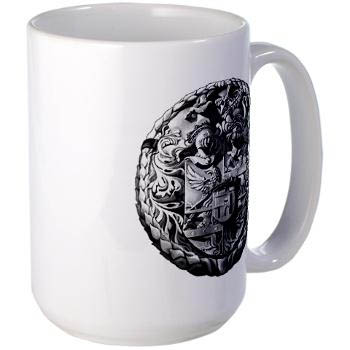
Products with Genetti Coat-of-Arms

Mug with Genetti Coat-of-Arms. Also available as a stein and stainless steel travel mug.

With Christmas fast approaching, remember to shop for personal family gifts at the Genetti Shop! Here you’ll find mugs, T-shirts and mousepads with the Genetti family coat-of-arms; books about our Tyrolean culture; fine art prints of the original family tree and much more.

It’s not too late – order today and surprise you’re family with unique gifts that celebrate our family ancestry.

Click here to start shopping!

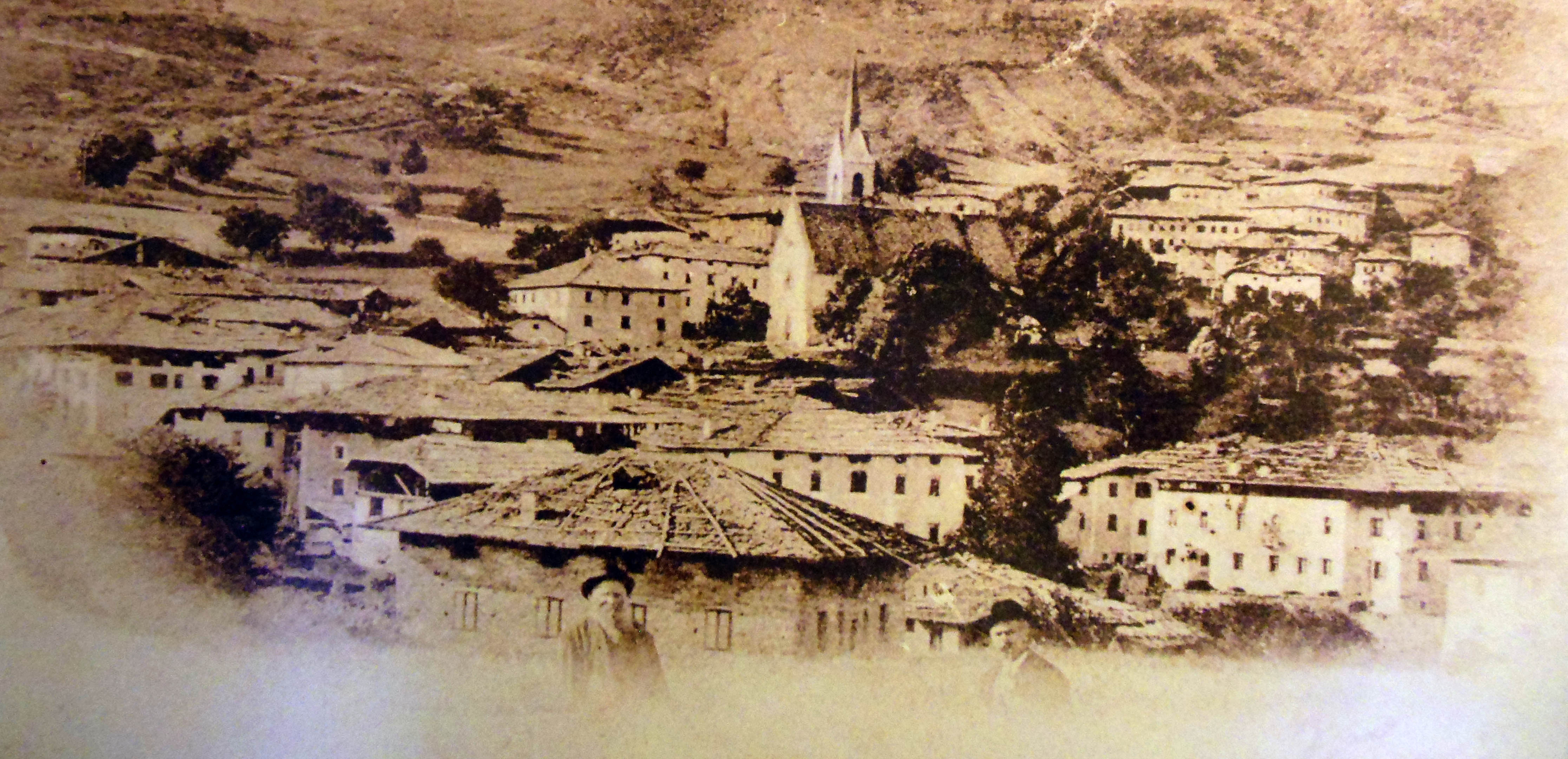
The Old and the New

OldTownPhoto

The view of Castelfondo from the hill outside of town. Probably about 1900.


I love old photographs! Particularly fascinating are “then and now” images comparing hundred-year-old photos with updates of the same location today. Sometimes the area looks completely different and unrecognizable from the original photo; sometimes little has changed and it appears time has stood still.

Village

Castelfondo today. Photo from the “Commune di Castelfondo” website. Click photo to access this website.

Here are a few photographs from Castelfondo – the village in Northern Italy where the Genetti family originated. You judge for yourself how much has changed … and how much has stayed the same.

CastelfondoWell

Castelfondo’s central well, photographed June 8, 1921.

The village well (fountain) is located in a little piazza near the center of town.

The town’s women would gather here to do laundry.

Photo provided by Dino Marchetti of Castelfondo.


Castelfondo-6

The town well today. This is not from the same view as the older photo.

The town well today is completely restored and mostly ornamental in function.


SanNicolor1800s

San Nicolo, late 1800’s.

The interior of San Nicolo church photographed in the late 1800’s and San Nicolo today.

Church-3

San Nicolo, 2011


DamianoDoor

Damiano Genetti standing in the doorway of the Genetti homestead in Castelfondo, about 1937.

The doorway of the Genetti Family homestead in Castelfondo.

GenettiHome-2

Louise Genetti Roach standing in the same doorway, 2014.


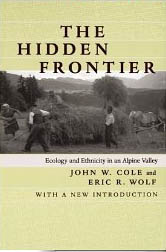
New Book in the Genetti Shop

TheHiddenFrontierWhy not stop by our Book Shop to peruse our sampling of personally selected books about the Tyrolean culture? If you are interested in learning more about your roots or are planning a future trip to Trentino-Alto Adige, you’ll find just the right book to help you in your adventure.

Today I added a new book that was suggested by Chiara Dalle Nogare, one of our Genetti cousins who lives in Trento, Trentino. “The Hidden Frontier: Ecology and Ethnicity in an Alpine Valley” is a fascinated study of history and culture in the Val di Non. Well worth the read if you really want to understand your Tyrolean roots!

Click here to visit the Book Shop!

Filo: A Journal for Tyrolean Americans

FiloIf you are Tyrolean American and would like to learn more about your heritage, you need to subscribe to Filo Magazine. First published in 2011, this quarterly magazine is available as a paper version or online – both are free. Filo (pronounced fee-lo) was the Tyrolean word for the daily gathering in the stables of the Trentino. Each day after work and chores, villagers would come together to tell stories, sing and socialize. Filo Magazine is published in the United States, but has many ties to Trentino. Their goal is to reach as many Tyrolean Americans as possible “to provide you with the background of your roots and ancestry.”

I have been receiving Filo since 2012. Through the magazine I have learned so much about our culture, food and language, as well as been intrigued by family stories that are publish in each issue.

To receive the free magazine, simple register at: http://filo.tiroles.com/registration.html.

Or to browse their extensive site, go to: http://filo.tiroles.com. If you are interested in learning more about dialect and in particular, the Nones language of the Val di Non (which is what the Genetti ancestors spoke), check out their dialect section. Quite fascinating!

In closing, here is a bit of dialect from Filo: ‘sa fente, nente o stente? Which translates into: What should we do, stay or go?


What Is a Sopranome?

GenettiLanci1

The grave marker for Famiglia Genetti Lanci in Castelfondo’s San Nicolo cemetery.

During my visit to Castelfondo, Italy in 2011, I had the good fortune to meet a distinguished gentleman by the name of Andrea Cologna. Born in the village, Andrea had left as a young man, living most of his adult life in Canada. He had recently returned to his childhood home of Castelfondo. Luckily Andrea was fluent in English, Italian and the local dialect of Nones. He was the perfect guide, telling me stories of the old days, explaining important village landmarks and helping me walk in the footsteps of my ancestors.

When we visited the small cemetery next to San Nicolo church, there were many surnames I recognized … of course among them, many Genettis. Andre brought me to a very specific part of the cemetery and pointed to several grave markers. “These are your family, the Lanci. The other Genettis aren’t from your branch. Damiano (my great-grandfather) was a Lanci,” Andrea said.

I was mystified, what was a “Lanci”? I had never heard this name before. So I took a few photos of the stones that read “Famiglia Genetti Lanci” and decided to look into this odd name later. About six months after my trip, I began researching the old church documents. And there it was again! The name “Lanci” was attached to Genetti in most birth, marriage and death records of my branch of the family, but not to other branches. It appeared in different forms such as Lanchet, Lancia and Lanci. Andrea wrote that he had done a little research on his own and found that the original form of the name was “Lanchet” which was Old German for the word “Lance”.

After a bit more research into Trentino history, I soon learned this “second name” was commonly used by large Tyrolean families to designate different sections of the family. It was called a sopranome or nickname. The sopranome had several purposes. It helped delineate close blood relatives so you didn’t accidentally marry your cousin, which could happen in a small, isolated community. It also identified a specific person. At any one time there could be five or six men named Giovanni Battista Genetti living within the village, as children were often named after parents, grandparents or other relatives. By adding the sopranome to the surname, one could tell the difference between Giovanni Battista Genetti Lanci and Giovanni Battista Genetti di Raina. Besides Genetti Lanci, I also found Genetti Onz, Genetti di Ovena (of Ovena) and Genetti di Raina (of Raina). These seemed to signify the main branches of the Genetti family tree.

Closely examining each generation in the ancient ledgers, I discovered the first ancestors in my direct line to have Lanci documented in a birth record was Pietro Genetti born in 1650. Most likely his father, Georgio Genetti (born 1623) had begun using it during his lifetime and passed it on to his children. And so this sopranome continued through at least eight generations, but was not used by the families that emigrated to the Americas. When my great-grandfather returned to Castelfondo to live out his later years, he was known in the village as Dominic Lanci. With the passing of three generations, the tradition of the sopranome has faded from our memories. What a shame! I rather like the idea that my Italian name could have been “Aloisia Anna Genetti Lanci”.